
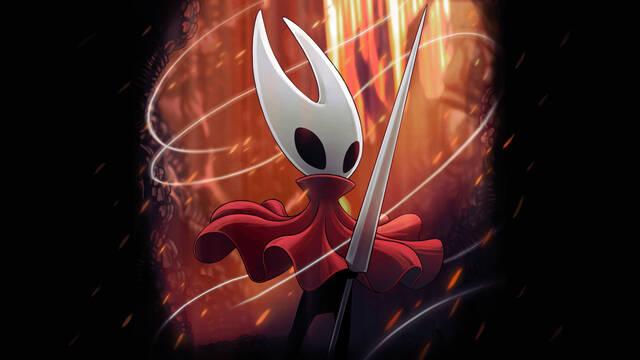
Hollow Knight: Silksong is a metroidvania developed and published by Team Cherry for PlayStation 4, PlayStation 5, Xbox One, Xbox Series, Nintendo Switch, Switch 2, and PC. The ambitious and highly anticipated sequel to the beloved Hollow Knight (2017), one of the most popular and influential metroidvanias of the last decade, featuring new abilities and weapons, a more agile movement system, over a hundred brand-new enemies, and dozens of bosses that test the precision and reflexes of even the most skilled players.
Hollow Knight: Silksong is a metroidvania that combines platforming, demanding combat, and the exploration of a massive, intricately interconnected world. Hornet, the protagonist, uses her needle as her primary weapon and can equip additional tools that expand her offensive or defensive repertoire. The healing system relies on silk, which also serves to perform advanced mobility skills and special combat techniques.
The story sets the action in Pharloom, a land of ruins and towns cast under the shadow of the Citadel. Hornet, captured and brought to this realm, begins an ascent toward the peak while discovering why her silk—capable of channeling soul—is so valuable to inhabitants and pilgrims alike. Side characters provide fragmented information about the evil corrupting the region, and quests connect the main story with tasks that require exploring previously visited biomes, hunting down specific enemies, or tracking down items.
The world of Pharloom is divided into zones with alternative routes, hidden shortcuts, and secrets that are only revealed as Hornet acquires new abilities. Battles take place against more than 165 types of enemies and around 40 bosses, each with unique attack patterns that demand constant adaptation.
Audiovisually, it maintains a carefully crafted and highly detailed 2D style with fluid animations and varied biomes (rain, snow, lava) that reinforce the feeling of a living world. The graphics, supported by subtle environmental interaction effects and haptic feedback, emphasize strikes, surfaces, and weather. The orchestral soundtrack by Christopher Larkin underscores the melancholy and wonder, with motifs that signal key presences and moments of tension.
