
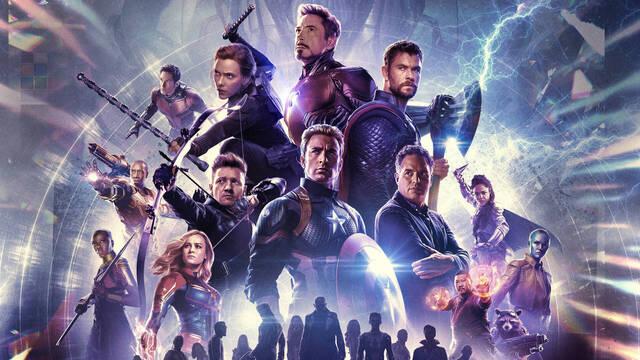
Marvel is one of the most influential entertainment brands in modern popular culture. What began as a comic book publisher eventually became a global universe of superheroes, villains, teams, alternate realities, films, television series, toys, collectibles, theme park attractions, and video games. Its success comes from a powerful combination: spectacular action, human drama, colorful characters, and stories about identity, responsibility, sacrifice, power, and hope.
The roots of Marvel go back to 1939, when the first issue of Marvel Comics introduced characters such as the original Human Torch and Namor, the Sub-Mariner. In its early years, the company was connected to names such as Timely Comics and later Atlas Comics, before the modern Marvel identity became fully established.
The great creative explosion came in the early 1960s, during the so-called Silver Age of superhero comics. Writers and artists such as Stan Lee, Jack Kirby, Steve Ditko, Larry Lieber, and other members of the Marvel Bullpen helped create a new kind of superhero. These characters were not perfect gods; they had doubts, illnesses, money problems, family conflicts, romantic frustrations, and personal failures. That human touch became the heart of Marvel.
Marvel became successful because its characters felt both extraordinary and relatable. Readers could admire the strength of the Hulk, the intelligence of Tony Stark, the nobility of Captain America, or the courage of Black Panther, while also recognizing their fears, mistakes, and inner conflicts. The slogan-like idea behind many Marvel stories is simple but powerful: great power brings great responsibility.
Over time, Marvel grew far beyond comic shops. Its heroes became symbols used in animation, clothing, toys, school supplies, posters, conventions, cosplay, internet culture, and global fan communities. The brand also benefited from its shared-universe structure: one character’s story could connect to another, creating the feeling that every adventure was part of something bigger.
The biggest transformation arrived with the Marvel Cinematic Universe, usually known as the MCU. The launch of Iron Man in 2008 changed the future of superhero cinema. Instead of producing isolated films, Marvel Studios built an interconnected timeline in which characters, objects, organizations, and events crossed from one movie to another.
This model reached a major milestone with The Avengers in 2012, which united heroes from previous films in a massive crossover. Later, Avengers: Infinity War and Avengers: Endgame turned the Infinity Saga into one of the most ambitious cinematic events ever produced. These films proved that audiences were willing to follow long-form storytelling across many releases, almost like reading a comic book saga on the big screen.
Some Marvel films became especially important because they changed the scale, tone, or cultural reach of the brand. Iron Man created the MCU formula; The Avengers proved the shared universe could work; Black Panther became a landmark for representation and worldbuilding; Avengers: Endgame closed a decade-long storyline; and Deadpool & Wolverine reinforced the appeal of the multiverse by connecting different eras of Marvel cinema.
Marvel films are not only superhero adventures. They often mix genres: political thriller, space opera, comedy, martial arts, fantasy, teen drama, heist movie, spy story, horror elements, and family adventure. This flexibility has helped the MCU remain recognizable while constantly changing its tone.
The relationship between Marvel and video games is natural because superheroes are interactive by design. Players want to swing through New York as Spider-Man, fight as Wolverine, command the Avengers, collect cards, build teams, or control cosmic heroes in spectacular battles. Video games allow fans to experience Marvel from the inside rather than simply watching it.
The success of Marvel is based on reinvention. Its characters can live in comics, movies, animation, streaming series, and video games without losing their core identity. Spider-Man is still about responsibility. The X-Men are still about difference and acceptance. The Avengers are still about unity in the face of impossible threats.
Marvel’s chronology is enormous, its movies have transformed modern cinema, and its games continue to offer new ways to play inside the Marvel Universe. That is why Marvel remains one of the great pillars of global pop culture: a universe where heroes fall, rise, fail, learn, and keep fighting.
