
What is the right order to watch the Star Wars movies? Yes, believe it or not, like almost everything surrounding Lucasfilm’s galaxy-spanning saga, there is a heated and very lively debate about the best way to approach the Star Wars movies. It may seem like a simple question, but there are actually many different ways to enjoy the saga, each with its own pros and cons. Let’s take a look.
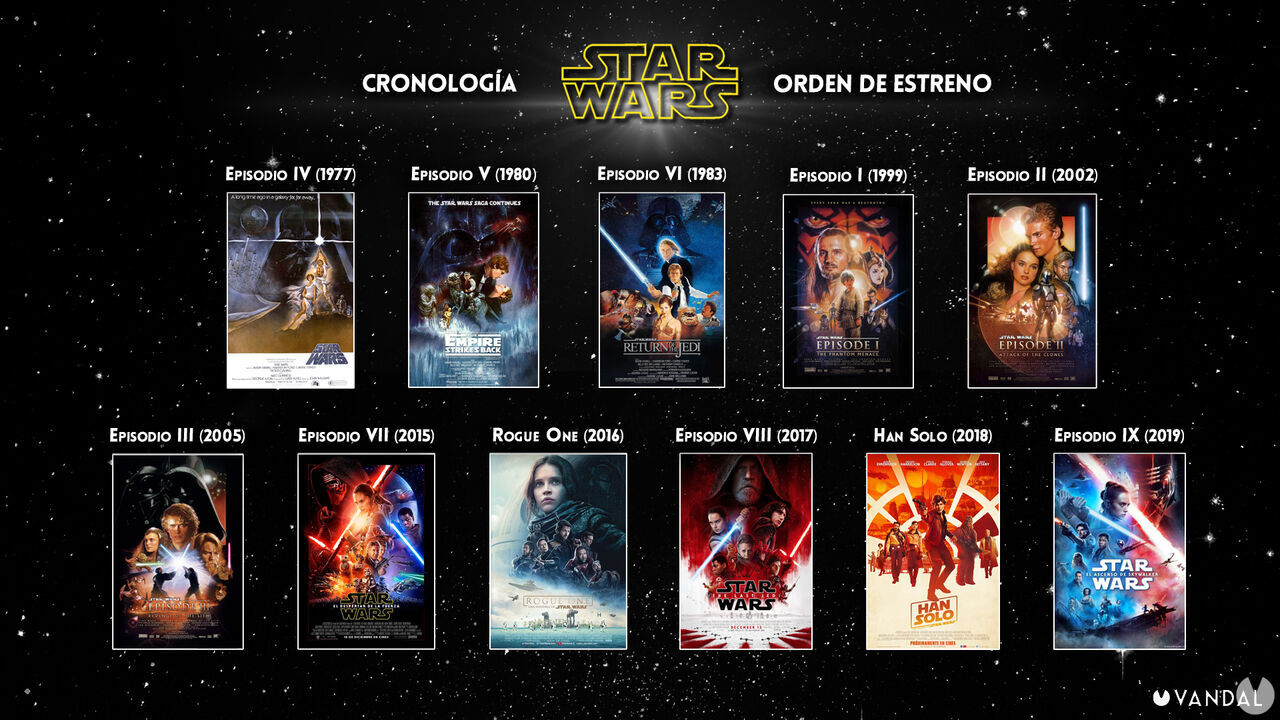
This is the best way to watch the Star Wars movies, at least if you ask a lifelong fan. Release order is a natural way to get into Star Wars, because you follow the same order in which the movies originally arrived in theaters, without spoiling plot twists or forcing the story into a different shape.
While it is the most nostalgic and charming option, it can also be one of the trickiest for viewers who grew up with modern CGI and digital filmmaking, because it means starting the saga with movies made back in 1977.
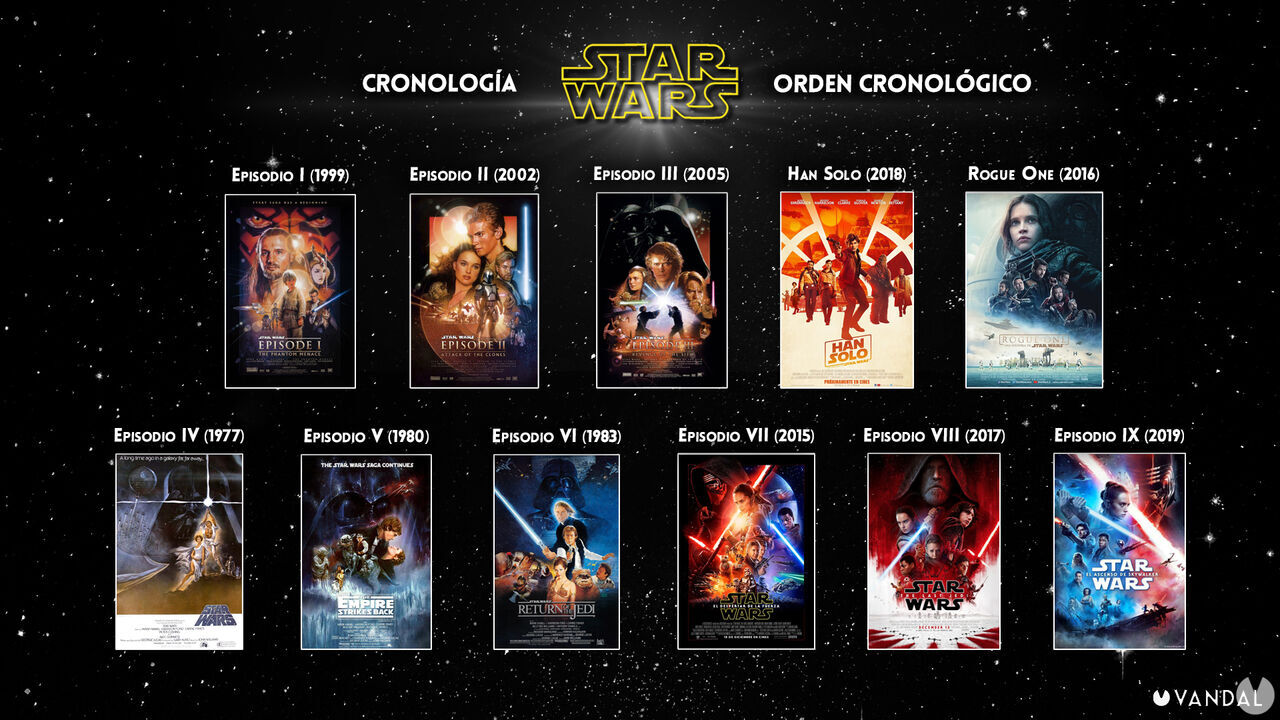
This is probably the least recommended option, especially because the movies were not designed to be watched this way, with decades between some releases and others. With the story’s chronological order, unless you are a complete newcomer to the saga — which is pretty hard these days — you usually end up ruining one of the biggest plot twists. On top of that, it can be a bit hard to digest at first because of the major differences in style and quality in the so-called prequel trilogy. This order works better if you have already seen all the released movies.
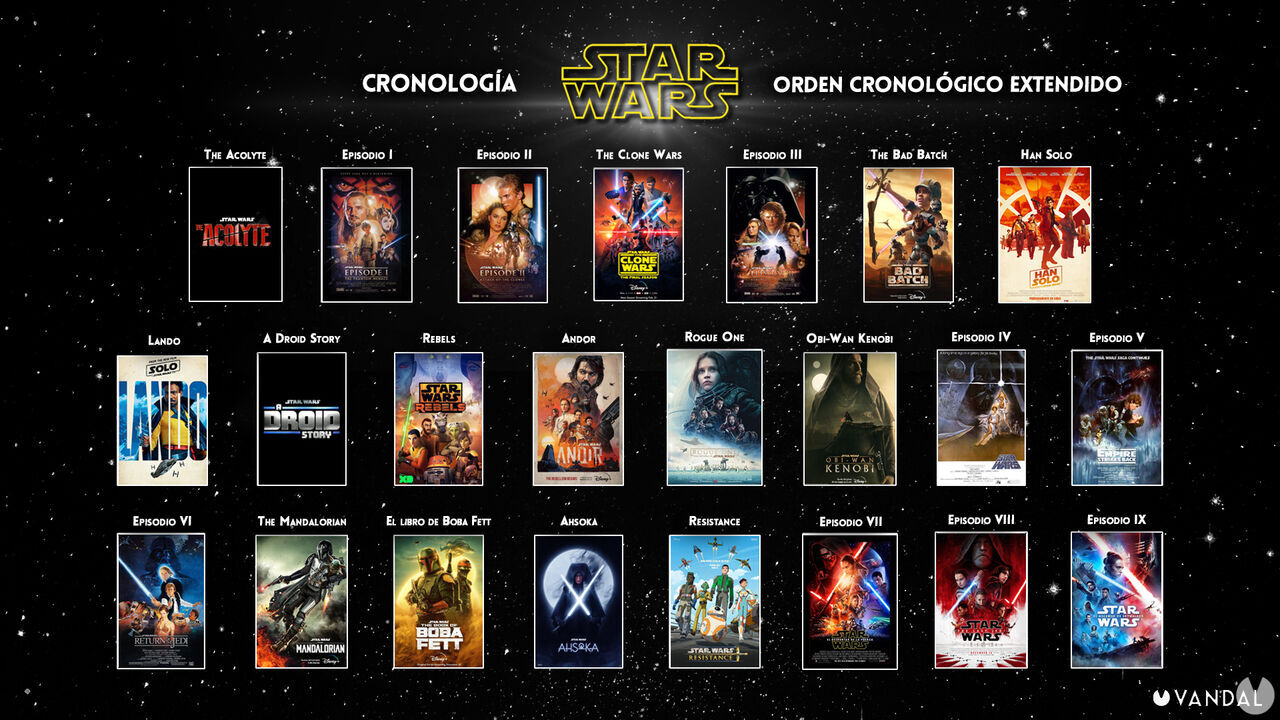
This is the toughest, most hardcore and most specific option in this article. We are talking about an extended chronological order: it follows the usual timeline, but adds several animated series such as Star Wars: The Clone Wars and Star Wars Rebels, which explain some very turbulent periods in the galaxy — such as the Clone Wars and the rise of the Rebel Alliance against the Empire — as well as the period after the destruction of the Galactic Empire and the rise of the New Republic following the battles of Endor and Jakku, the era in which the Disney+ series The Mandalorian is set. On top of that, there is the huge number of new shows made for the same streaming service, such as The Book of Boba Fett, Andor, Obi-Wan Kenobi and Ahsoka, which offer specific points of view from certain characters, along with events that happened before or at the same time as the movies and series...
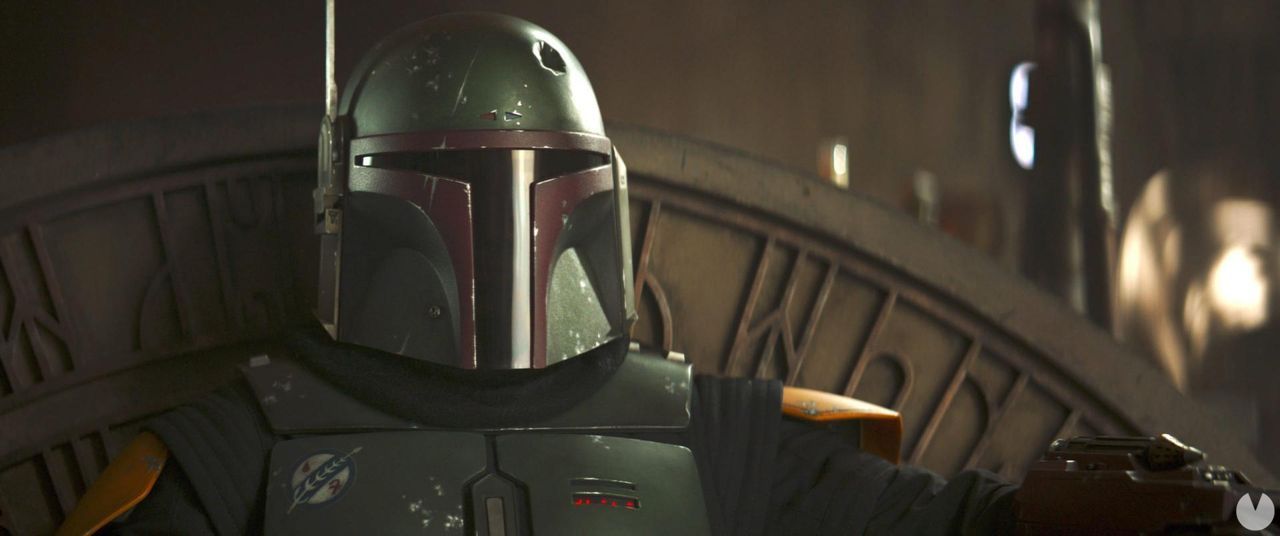
It is a bit overwhelming, but this order fills in the gaps in the new canon, focusing on the rise of the Sith before The Phantom Menace, the growth of the Galactic Empire, its fall, and the later New Republic as it struggles against the First Order. It is worth remembering that when Disney wiped out the old canon and the Expanded Universe, it spent some time playing with the idea of expanding or reshaping the timeline for its own series and movies — using events like the fall of Starkiller Base or the Battle of Jakku — but the truth is that the new chronological structure helps quite a lot. Much of this is thanks to the launch of Star Wars: The High Republic, a series of novels and comics that tell stories about the Jedi many, many years before the events of The Phantom Menace.
*Hilton’s special chronology deliberately skips The Phantom Menace because of its limited narrative importance and lack of cinematic quality, although in more recent versions some viewers have started to include it. Rogue One and Solo can also be added as opening movies for the marathon, either as prologues or even as final extras.
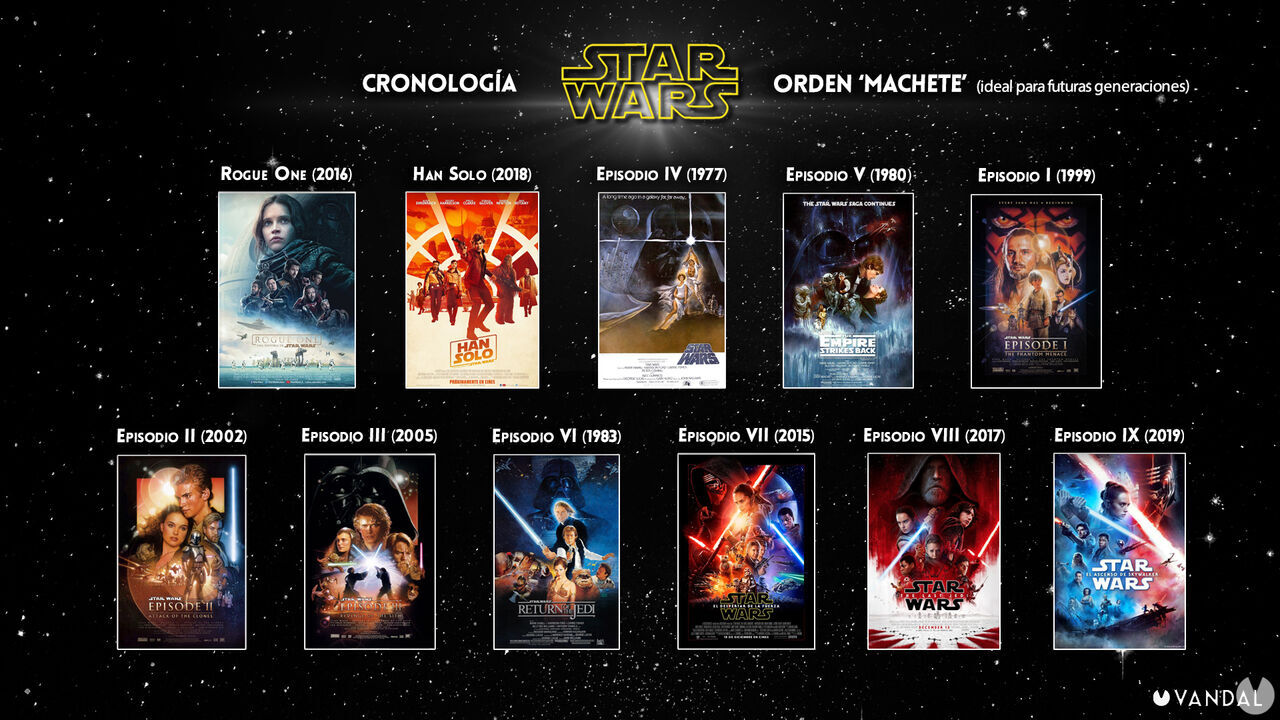
This is about watching the saga almost like a TV series, with flashbacks placed at key moments in the movies. In 2011, Rod Hilton came up with what he saw as the best way to present the galactic story of Star Wars to future generations without overcomplicating things, while also bringing the Skywalker dynasty into the story without getting bogged down in certain parts of the prequel trilogy. With the so-called Machete Order, viewers get a very interesting watch that removes many of the problems found in the previous orders, preserves the Darth Vader plot twist, and also helps us understand Anakin’s fall to the dark side and the rise of the Galactic Empire.
With the Machete Order, we start with A New Hope and The Empire Strikes Back, then move to Attack of the Clones and Revenge of the Sith, before jumping to Return of the Jedi and the more recent sequels produced by Disney. This method does a great job of helping new viewers understand who Vader is, how he became that way, and how the galaxy fell into the Empire and the Galactic Civil War led by the Rebellion after a period of prosperity under the Republic, although it obviously changes George Lucas’s original vision.
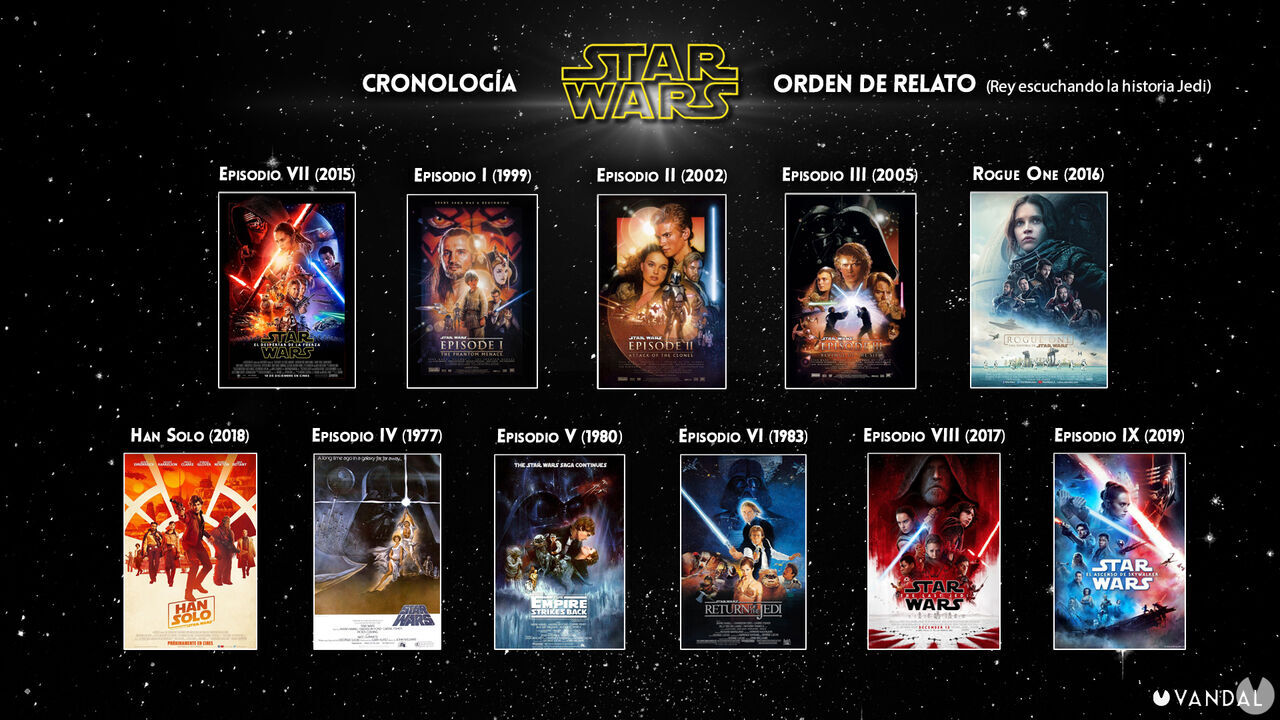
Of all the ways to watch Star Wars, this is probably the strangest, but also one of the most mystical. This story-based order assumes that the viewer knows almost nothing about Star Wars, and invites us to feel like Rey and the main characters in The Force Awakens, believing that everything related to the Jedi, the Sith and the fall of the Galactic Empire after Darth Vader’s redemption is just legend. Those who defend this timeline imagine Luke Skywalker telling Rey the story of Anakin’s rise and fall, strengthening the feeling of myth and oral tradition that we already saw back in the day with Obi-Wan and Yoda. Of course, it ruins the surprise in The Empire Strikes Back, but since new audiences discover the saga every year, it can be a way to create a special connection with the trilogy produced by Disney.
